How to Choose an Authentic Montessori School: Unveiling the True Essence of a Montessori Environment
Note: This post may contain affiliate links. If you purchase a product through one of these links, you won’t pay anything extra, but I will get a small commission, which helps keep this blog going. Thank you for supporting Your Conscious Parent Community!
In the world of education, the Montessori approach stands out as a unique and holistic method designed to nurture a child's natural curiosity and love for learning. However, not all schools bearing the name "Montessori" adhere to the authentic principles and practices laid down by Maria Montessori. In this blog post, we will delve into the reasons why not all Montessori schools are created equal and explore the core components that define an authentic Montessori classroom and school.
The Montessori Dilemma: Lack of Trademark
One of the significant challenges facing the Montessori education system is that the term "Montessori" is not trademarked. This means that anyone can use the label for their school, regardless of whether they faithfully follow Montessori principles. Consequently, a plethora of schools may adopt the name without embodying the core tenets of Montessori education. To ensure your child receives an authentic Montessori experience, it's crucial to look beyond the school's title and delve into the classroom practices.
Key Components of an Authentic Montessori Classroom
Mixed-Age Classes: Authentic Montessori classrooms embrace the concept of mixed-age groups, encouraging collaboration and peer learning. This dynamic environment fosters a sense of community and allows children to learn from each other.
A toddler classroom usually starts with walkers around 18 months and goes to 2.5/3 years old. A primary classroom has ages 2.5/3 years old to 6 years old. An elementary classes will have 6-9 year olds together and 9-12 year olds together, then 12-15 year olds will be in class together and 15-18 year olds.
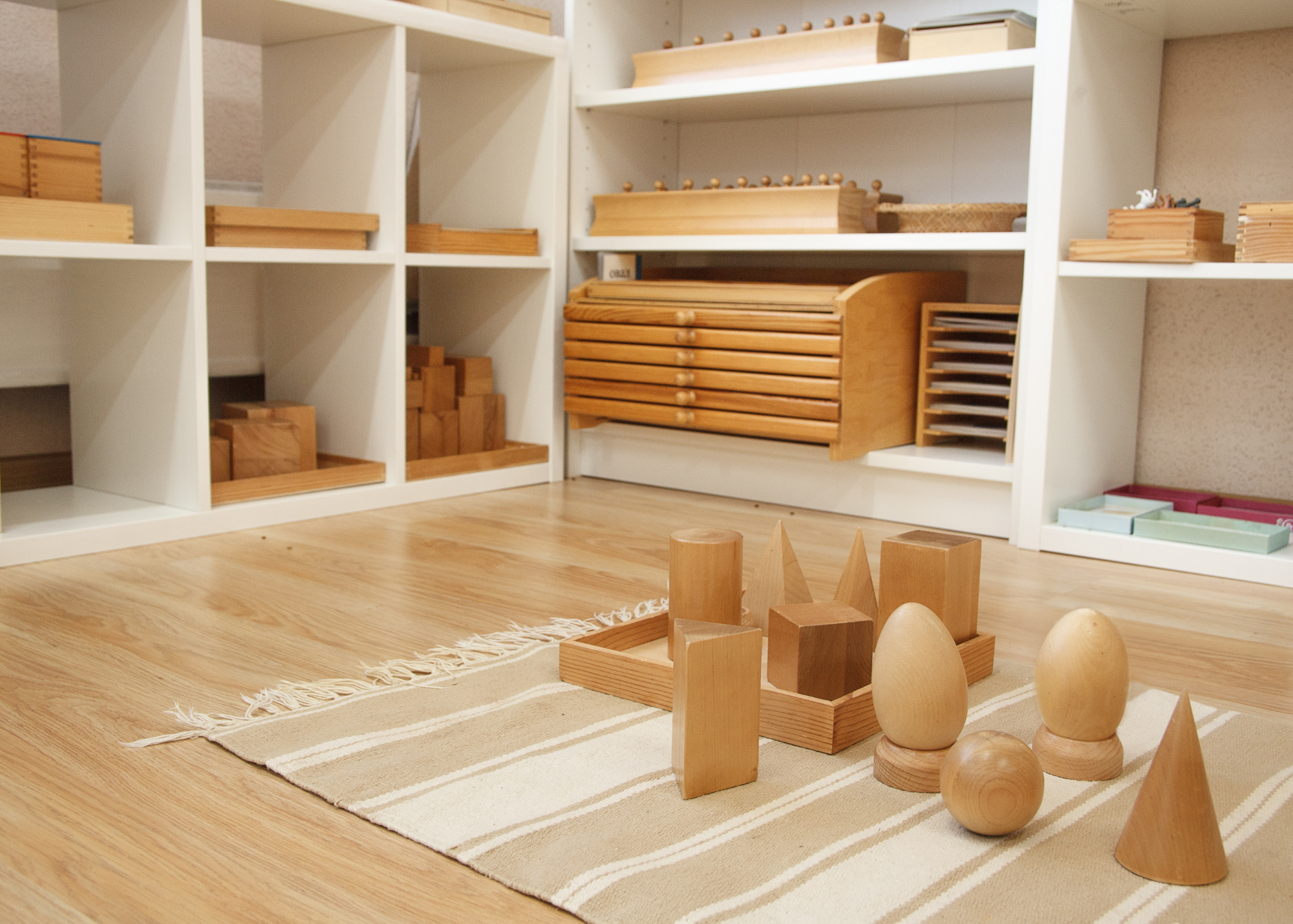
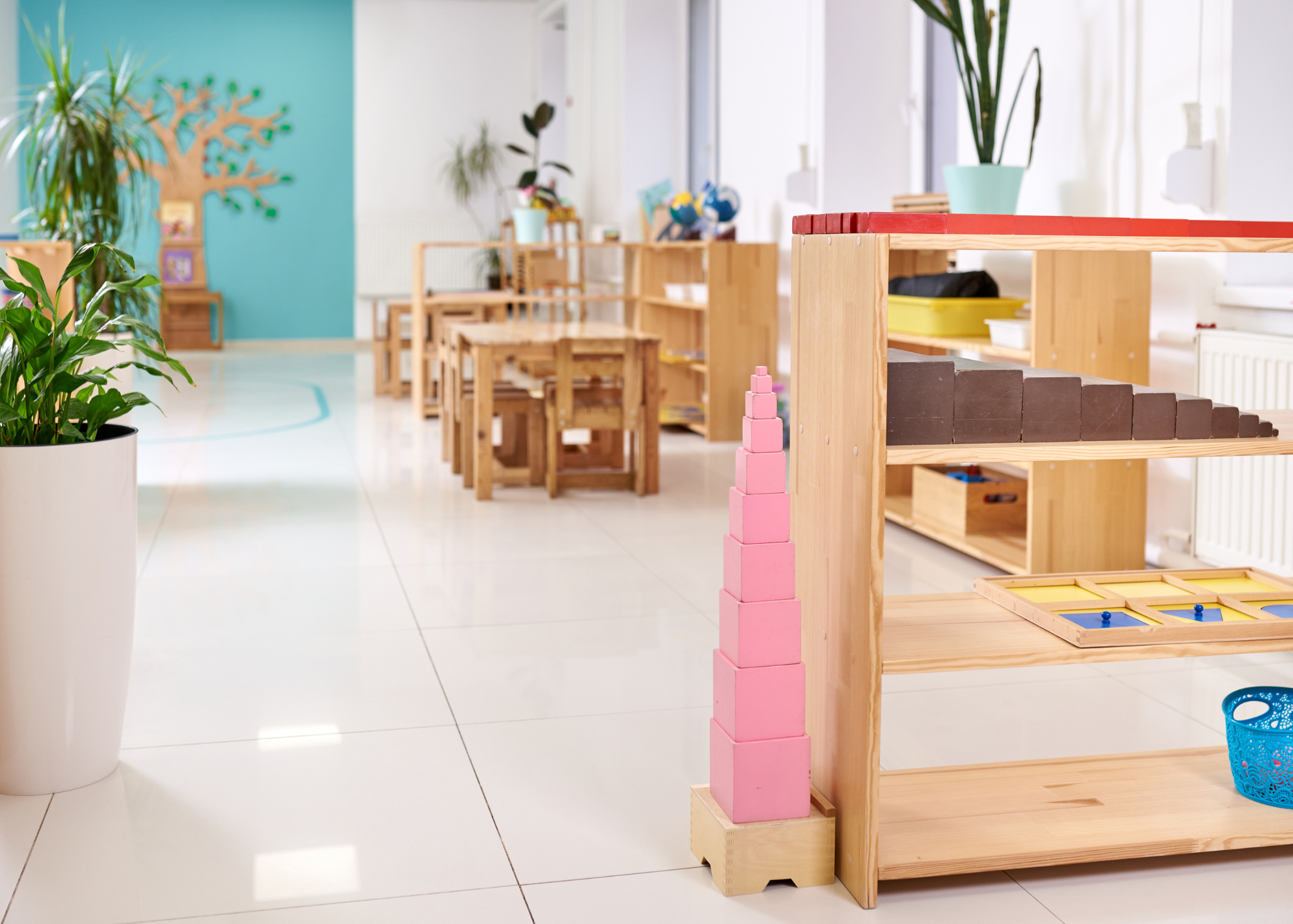
Quality Materials for Skill Development: Montessori materials are carefully designed to facilitate hands-on learning and the development of specific skills. Authentic Montessori classrooms feature these materials neatly displayed, inviting children to explore and engage independently after receiving a lesson from the teacher.
Uninterrupted 3-Hour Work Cycle: A hallmark of Montessori education is the uninterrupted three-hour work cycle. This extended period allows children to immerse themselves in tasks, promoting deep concentration and a genuine love for learning. You wont see group crafts or activities during this time.
Highly Trained Teachers: Authentic Montessori teachers undergo rigorous training, often accredited by organizations like the Association Montessori Internationale (AMI). These teachers understand the philosophy and methodology, guiding children through their learning journey with expertise and passion.
Freedom of Movement: Montessori environments prioritize freedom of movement. Children have the liberty to move around the classroom, choosing workstations and activities based on their interests and developmental needs. The classroom should be spacious and allow children to move about without interrupting their classmates.
Independence in Action: In an authentic Montessori setting, children are empowered to make choices and take responsibility for their actions. They independently select and put away materials, fostering a sense of autonomy and self-discipline.
Access to Basic Needs: A child's basic needs, such as access to water, toilets, and snacks, are prioritized in Montessori classrooms. This ensures that children can focus on their work without disruptions and freely and independently meet their own needs.
No Screen Time: Authentic Montessori education emphasizes hands-on, experiential learning. Consequently, screen time is excluded from the curriculum, allowing children to engage with their environment and peers in a meaningful way.
No Punishments, Rewards, or Timeouts: Montessori philosophy rejects harsh disciplinary methods. Instead, children are guided through positive reinforcement and natural consequences, promoting intrinsic motivation and personal responsibility.
Connection with Nature: Authentic Montessori schools often incorporate access to the outdoors as an integral part of the learning environment. This connection with nature enhances the overall well-being and curiosity of the child. A classroom will also usually have many plants and large windows providing natural light.
Observation and Questions: A Parent's Role
To ensure the authenticity of a Montessori school, parents play a crucial role in the selection process. It's essential to observe a class in action, witnessing how the teachers interact with the children and whether the classroom dynamics align with Montessori principles. Additionally, asking questions about the teacher's training, the curriculum, and the school's commitment to the Montessori philosophy can provide valuable insights.
Beyond Montessori: Child Protection Policy
While not specific to Montessori, a thorough child protection policy and procedures should be a non-negotiable aspect when selecting any educational institution. Parents must inquire about the school's commitment to creating a safe and nurturing environment for their children.
Reality Check
In the quest for an authentic Montessori education, it's essential to acknowledge that not everyone has immediate access to a perfectly aligned Montessori program. Factors such as geographic location and financial considerations may limit the options available to parents. In these instances, it becomes crucial to prioritize and identify non-negotiable elements that align with your values and the essence of Montessori principles. While the ideal Montessori environment may not be within reach, it's important to recognize that some Montessori elements are better than none. By comparing the educational environments you have access to and weighing them against your priorities, you can still provide your child with valuable Montessori experiences that lay the groundwork for a love of learning and independence. Flexibility in expectations can open doors to meaningful educational journeys, ensuring that your child receives the benefits of Montessori education within the constraints of your unique circumstances.
Conclusion
Choosing an authentic Montessori school involves more than just looking at the name. It requires a careful examination of the classroom practices, teacher training, and adherence to Montessori principles. By understanding the core components of a genuine Montessori environment, parents can make informed decisions that lay the foundation for their child's lifelong love of learning.

Hi there, I'm Kayla!
I am an accredited coach and I'm passionate helping parents have more confidence, connection and joy in parenting!
My background in education, Interpersonal Neurobiology, and Somatic Trauma Healing, along with my years living abroad, give me a unique perspective to support you to break generational cycles and experience your vision for your family.


JOIN MY MAILING LIST